
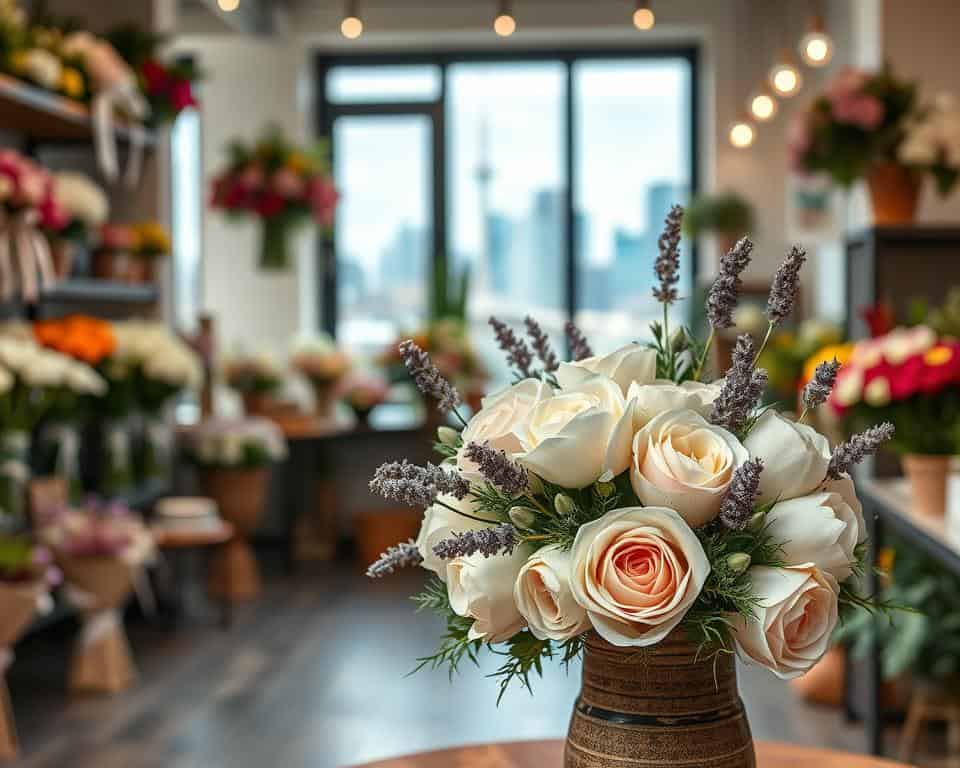
Planning wedding flower delivery or event floral delivery in Canada needs clear steps and smart research. This guide helps couples, planners, and hosts who shop online for floral arrangements. It focuses on flower delivery in Toronto.
Shopping online lets you see more options and compare prices easily. But it also has downsides. Some vendors offer high-quality flowers that last, while others may have issues with delivery and packaging.
We’ll cover what to decide first, comparing online florists to local shops, and Toronto delivery tips. We’ll also talk about choosing flowers that travel well, spotting hidden fees, and ensuring your order is done right. You’ll get tips based on testing and industry reports on freshness, delivery, and arrangement quality.
Key Takeaways
- Online flower shopping gives a broader choice and easy price comparison for wedding flower delivery and event floral delivery.
- Delivery reliability and product condition vary widely across providers; check reviews and testing reports.
- For flower delivery in Toronto, factor in local traffic, seasonal availability, and courier partnerships.
- Choose blooms and designs that travel well to reduce damage and extend longevity.
- Ask for transparent pricing and clear communication to avoid last-minute surprises.
Planning Floral Needs For Weddings And Events: What To Decide First
First, list all the places you need flowers: ceremony arches, reception centerpieces, and more. Decide what’s most important and what can be cut if money gets tight. Having a clear list helps when talking to vendors such as LocalFlower.
Next, set a budget for flowers early. Tell your florist how much you want to spend and what each piece should cost. This keeps designs within your budget and avoids surprises.
Then, choose your style and colors. Pick a mood, like modern or rustic, and any flowers you must have. Say if you want seasonal, local flowers to save money and support Canadian growers.
Plan how flowers will be delivered and set up. Give the florist the delivery date, venue addresses, and setup times. Make sure they know if they need to set up everything or just bring it.
Plan ahead for busy times like Valentine’s Day and peak wedding months. Order early and have backup flowers ready. This way, you won’t have to make last-minute changes.
Use catalogs and item numbers to avoid mistakes. Have your budget ready if you need to confirm over the phone. This makes choosing easier and avoids misunderstandings.
If you have events at different places, plan how to handle deliveries. Decide if you need separate deliveries for each site. Make sure everything is set up on time to keep flowers fresh.
Keep your flower list up to date and check your budget as quotes come in. This way, you can adjust spending to focus on what’s most important without losing sight of your overall vision.
How To Evaluate Online Florists Versus Local Shops
First, understand how online and local florists work. Online shops often send orders to local shops. They add fees that can be $15–$20 or more. These fees reduce the budget for your arrangement.
Make sure to check if the florist is real. Look for a street address and phone number on their website or Google Business profile. Talking directly to the shop helps avoid extra costs and ensures they are accountable for your event.
Read reviews on Google and Facebook to see what others say. Look for reviews with photos from the florist. Shops that show their finished work and have consistent reviews are more reliable than those with only stock photos.
Check how well they deliver. Some online brands have been late without warning. Local shops usually communicate better and deliver on time.
Be clear about prices. Ask if the price includes delivery, taxes, and service fees. Some online platforms hide fees until you check out. This can leave less money for the florist and affect the quality of your arrangement.
Call the shop before a big order. Talking to them shows how they handle customer service. Shops with good phone service usually do better when it counts.
Think about the flowers they use. Local florists often pick flowers from nearby farms. They can keep the flowers fresh longer for your event.
To make a choice, use a checklist. Check their address and phone, read recent reviews, ask for photos, and ask about fees. Call them to see how they respond. This helps you pick a florist who is reliable and offers good local flower delivery.
How To Pick A Great Flower Delivery in Toronto
How you pick flower delivery in Toronto depends on urban logistics. Places like condos and high-rises have rules for deliveries. Make sure to give the florist clear instructions and a good time to arrive.
Choosing local Ontario blooms makes your Toronto wedding flowers fresher. Local florists know the best flowers for our climate. This choice saves on transport and often costs less.
Check the delivery policy of your venue before booking. Find out if they handle stairs or tight spaces. Also, ask about any extra fees for places like Casa Loma or the Distillery District.
Same-day flower delivery in Toronto can be a lifesaver. But, it’s not always reliable. For big events, plan ahead and have a backup. Ask for a delivery time and a photo of your flowers.
Choosing a florist is important. Look at reviews and photos of their work. Pick someone known for being on time and having beautiful arrangements.
Good communication is key for flower delivery in Toronto. Give the florist all the details they need. Ask them to confirm their arrival time and send a photo of your flowers.
| Consideration | What to Ask | Why It Matters |
|---|---|---|
| Building Access | Can you deliver to condos and high-rises? Any elevator or concierge rules? | Ensures team can reach the space without delays or extra labor fees. |
| Venue Restrictions | Do you deliver to specific venues and handle permits or time windows? | Prevents last-minute refusals and aligns timing with event schedules. |
| Local Sourcing | Are Ontario-grown blooms available for my date? | Improves freshness for Toronto wedding florals and lowers transport stress. |
| Rush Options | Do you offer same-day flowers Toronto and what are the cutoffs? | Sets realistic expectations for emergencies and complex setups. |
| Proof of Delivery | Can you provide ETA and photo of completed work? | Gives confirmation to planners and helps resolve disputes quickly. |
| Extra Costs | Are there congestion charges, parking, or concierge fees? | Prevents surprise charges on the final invoice for Toronto event floral delivery. |
Selecting Flowers And Designs That Travel Well And Last Longer
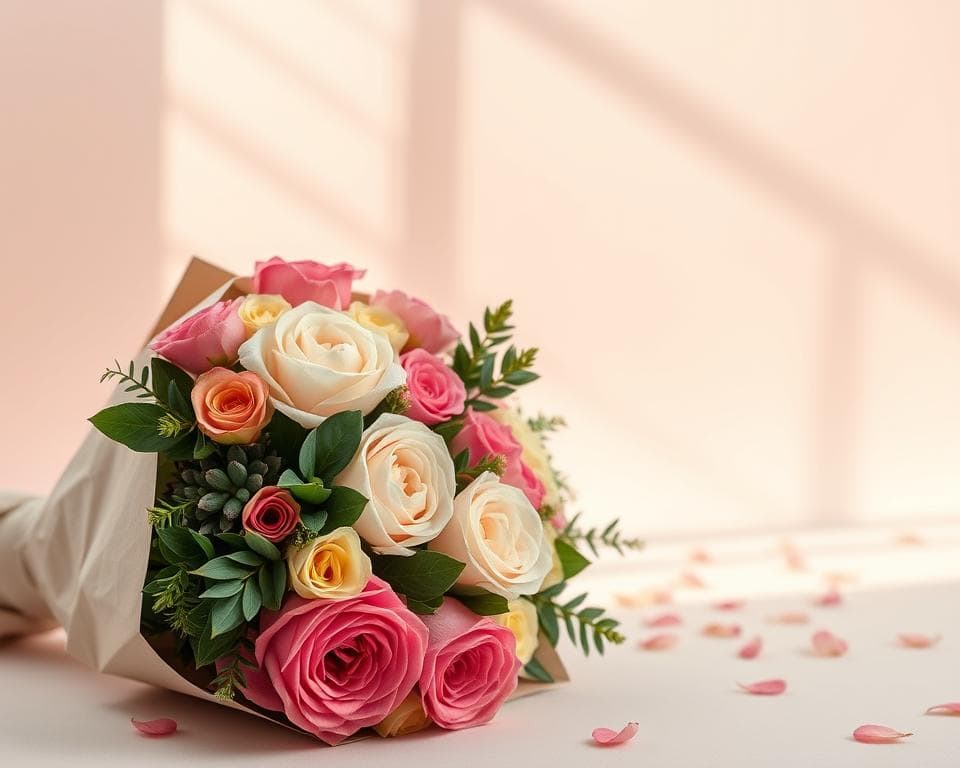
Choose flowers that can handle travel well for your wedding. Chrysanthemums, spray roses, carnations, and sturdy leaves are good choices. They can stand up to handling and changes in temperature better than delicate petals.
Go for flowers in season and local to cut down on travel time. This helps them stay fresh longer. Seasonal flowers are less stressed and more likely to arrive in top shape.
Opt for bouquets and centerpieces that are easy to carry. Designs that are compact and well-made travel better. They stay in shape during transport thanks to secure stems and tight wiring.
Tell your florist to use the same stem length and clean cuts. This makes it easier to put the flowers in vases. It also means you won’t need to trim them at the last minute.
Make sure your flowers are packed right and stay hydrated. Use water tubes for bouquets and sealed solutions for big pieces. This keeps your flowers fresh from the shop to the event.
Be careful with delicate flowers like peonies or garden roses on long trips. If you must have them, ask the florist to finish them at the venue. This way, they’re handled with care.
Ask for clear instructions on how to care for your flowers after they arrive. Simple steps like re-cutting stems and changing water can make a big difference. They help your flowers last longer.
When picking designs, think about both looks and practicality. Choose designs that are easy to transport and focus on keeping flowers hydrated. This way, your wedding flowers will look great and last longer.
Avoiding Hidden Fees And Ensuring Transparent Pricing
Always ask for an itemized invoice before you decide. A good quote should include costs for arrangements, delivery, taxes, and setup. It should also cover labor for installation and any extra fees for the venue or parking.
Ordering directly from a local florist’s website or by phone is best. This way, you avoid extra charges from middlemen. It also makes it easier to understand delivery fees in Toronto and local rules.
Be aware of extra costs. Fees for gathering orders, credit card charges, rush orders, and passing orders to another florist can add up. Make sure each vendor tells you if these costs are extra or included.
Compare what you get. Ask for photos of what you’ll get. Make sure the photo shows the exact item you’ll receive, not a fancier version. Small changes in the number of stems or vase quality can affect the price a lot.
Know about substitution policies. On busy days, florists might need to swap items. Make sure they can swap without changing the price too much. This way, you won’t get surprised by extra costs.
Understand cancellation and refund rules. For big orders, ask about deadlines for changes and refunds. Find out if making changes late will cost more.
Look for deals on bulk orders. Ask if buying more items gets you a discount. A single quote for everything can save you money.
Think about delivery costs. Cheaper prices might mean higher delivery fees or lower quality. Choose a florist who offers good service and fair prices. Always get a written confirmation of all charges. Small fees can add up. A signed quote protects you from hidden costs and ensures clear pricing for your event.
Communicating Details To Ensure Accurate Execution
Start with a detailed brief for clear communication. Give the venue address, entrance, and loading dock details. Include a contact name and phone number, building codes, and a preferred delivery window.
Add parking directions to avoid delays. This helps drivers find their way easily.
Share visual references to avoid confusion. Include color palettes, sample photos, and catalog item numbers. Explain if a photo is representative and list must-have or must-avoid flower types.
Be specific about size and scale expectations. This is important for centerpieces, bouquets, and large focal pieces.
Use a checklist to confirm understanding. Ask the florist to confirm arrangement counts, sizes, delivery times, and setup responsibilities. Also, ask for a written invoice.
Written confirmation helps avoid disputes. It tightens wedding florist coordination for the big day.
Coordinate vendors early and often. Invite the florist to final venue walkthroughs and planner calls. Provide diagrams for table layouts and placement of focal installations.
Request production photos when available. Many florists can send an image of the finished product before delivery. This image helps verify the design and allows for small adjustments without disrupting the schedule.
Outline contingency plans for substitutions. Specify acceptable alternatives if a requested bloom is unavailable. Name who can approve changes. Clear rules for floral delivery instructions prevent surprises and preserve the intended look.
Set on-site work expectations up front. Clarify if the florist will set up, place arrangements, and remove pieces. Note extra labor fees for late-night breakdowns or early-morning setups. This helps planners budget accurately.
| Item | What to Provide | Why It Matters |
|---|---|---|
| Venue details | Full address, entrance, loading dock, parking | Ensures timely arrival and smooth unloading |
| Contact info | On-site name, phone, building codes | Speeds issue resolution during delivery |
| Design references | Photos, palettes, catalog numbers, sizes | Aligns expectations on look and scale |
| Written confirmation | Counts, sizes, times, setup duties, final invoice | Creates accountability for wedding florist coordination |
| Vendor inclusion | Walkthrough invites, timeline, layout diagrams | Prevents placement errors and timing conflicts |
| Production photos | Photo of finished arrangement before delivery | Opportunity to request tweaks prior to arrival |
| Substitution rules | Approved alternates and approver name | Maintains design integrity if blooms are unavailable |
| On-site labor | Setup, placement, removal responsibilities and fees | Prevents surprises in staffing and billing |
Clear requests and confirmation make event floral instructions a roadmap. This keeps teams aligned and gives couples confidence their vision will be executed on schedule.
Managing Orders Around Peak Dates And Quality Control Expectations
Peak flower delivery dates like Valentine’s Day and Mother’s Day can be busy. Orders should be placed early. This way, florists can offer alternatives without lowering quality.
It’s important to know the florist’s policy on substitutions. Make sure they promise to use stems of equal or better quality if needed.
Check a florist’s past work and customer feedback before choosing them. Make sure they check the stems, water, and packaging before sending them out. Ask for a photo of the arrangement and when it will arrive.
For big orders, confirm the delivery details and have a backup plan. This could be a local florist or simpler arrangements. Know what to do if there are problems with the delivery.